Nell’ambito delle sue attività, Lugano Commodity Trading Association (LCTA) promuove il miglioramento delle condizioni quadro e l’attrattiva del Cantone Ticino, sia per le aziende operanti nel settore delle materie prime sia per i loro fondatori e collaboratori. Il Ticino è uno dei cantoni con le aliquote fiscali più alte per i cittadini, il Consiglio di Stato ha ora proposto un pacchetto di misure a loro favore. Gli elettori si recheranno alle urne il 9 giugno 2024, la LCTA raccomanda di votare SÌ alla Riforma fiscale.
La Riforma fiscale, che mira a modernizzare il sistema fiscale, a estendere i benefici a diversi tipi di famiglie e a ridurre l’onere fiscale per i dipendenti, può essere riassunta come segue:
aumento delle deduzioni per le spese professionali da 2’500 a 3’000 franchi per il 2024 e il 2025 e a 3’500 franchi a partire dal 2026;
riduzione delle aliquote in caso di donazione, eredità o successioni aziendale; introduzione di una nuova quota esente di 10’000 franchi; misure di sgravio in caso di successione aziendale;
riduzione un’aliquota massima del 3% dell’imposizione dei capitali provenienti dalla previdenza;
riduzione graduale dell’aliquota massima dell’imposta sul reddito dal 15,076% al 12% in 6 anni;
riduzione lineare delle aliquote dell’imposta sul reddito delle persone fisiche a partire dal 2024 per compensare l’aumento del moltiplicatore al 100% (la riforma coincide con il ritorno del coefficiente d’imposta cantonale al 100% il 1° gennaio 2024, dopo essere stato ridotto temporaneamente al 97% negli anni 2020-2023).
https://www.lcta.ch/site/wp-content/uploads/2024/05/Screenshot-2024-05-06-090415.png477725Monica Zurfluhhttps://www.lcta.ch/site/wp-content/uploads/2024/05/LCTA-Logo-2024-r02-01.pngMonica Zurfluh2024-05-07 15:17:312024-05-07 15:18:27Ticino: il 9 giugno si vota sulla riforma fiscale
Sono 13 i professionisti che possono fregiarsi, per primi in Ticino e in Svizzera, del titolo di “Certified Commodity Trading Specialist SAQ”, una certificazione professionale promossa dalla Lugano Commodity Trading Association in collaborazione con Alma Impact AG e riconosciuta dalla Swiss Association for Quality SAQ.
La cerimonia
Si è svolta, il 2 maggio, la cerimonia di consegna dei diplomi “Certified Commodity Trading Specialist SAQ”, formazione promossa dalla Lugano Commodity Trading Association (LCTA) ed erogata da Alma Impact AG, società specializza nella formazione professionale e manageriale.
A margine della cerimonia è intervenuta Alessandra Gianella, Co-presidente della Swiss-Chinese Chamber of Commerce (SCCC) – Ticino Chapter per un’analisi delle dinamiche geopolitiche a livello internazionale ed il ruolo della Cina.
Di seguito l’elenco dei diplomati 2024:
Albert Sara, Arnold Ramona, Bignasca Sebastian, Brognoli Camilla (premiata da “Ticino Economico” per aver ottenuto il miglior voto all’esame finale), Coffa Eugenia, Deini Nathalie, Fornoni Paolo, Ghersi Davide, Martins Fabrizio, Origgi Alice, Pilato Valentina, Sarraggiotto Thomas.
Il corso di Certified Commodity Trading Specialist
Il corso, di 60 ore, si è tenuto nelle aule dell’Università della Svizzera italiana (USI) ed è stato condotto interamente in inglese, lingua di riferimento per chi opera nel settore del commercio internazionale di materie prime. Una quindicina i partecipanti alla prima edizione, quasi tutti già attivi professionalmente in società operanti nel settore del commodity trading o in aziende che offrono servizi di supporto, quali banche, assicurazioni, società di shipping, società di revisione, studi legali e fiduciari. “Il corpo docenti è composto da professionisti del settore, con una vasta esperienza internazionale. L’obiettivo è fornire ai partecipanti una conoscenza a 360° gradi del commercio di materie prime, affinché quanto appreso possa essere immediatamente applicato sul posto di lavoro” spiega Matteo Somaini, presidente LCTA e membro dell’Advisory Board del corso, assieme ad altri esperti del settore come Fabiano Manfredi, Yan Blitshteyn, Marco Passalia e Alberto Stival (in rappresentanza di Alma Impact).
L’edizione 2024
Sono già aperte le iscrizioni alla prossima edizione del corso, che si svolgerà dall’11 ottobre 2024 all’11 gennaio 2025 (in modalità ibrida, ossia con lezioni in aula e online), il 1° giugno scade il termine per potersi iscrivere beneficiando di una tariffa scontata (early booking) mentre il 21 maggio, dalle 11.45 alle 12.30, è previsto un webinar di presentazione del corso (eventuali interessati possono inviare una e-mail ad academy@alma-impact.ch).
ALMA Impact AG Alberto Stival, Partner and Founder Via Ciseri 3 6900 Lugano, Switzerland Tel.: +41 (0)78 893 17 61
LCTA – Lugano Commodity Trading Association Monica Zurfluh, Secretary General Via Maggio 1 6900 Lugano, Switzerland Tel. +41 (0)79 220 40 71
https://www.lcta.ch/site/wp-content/uploads/2024/05/Diplomati_CCTS_2023-2024-scaled.jpg15282560LCTA Editorhttps://www.lcta.ch/site/wp-content/uploads/2024/05/LCTA-Logo-2024-r02-01.pngLCTA Editor2024-05-03 09:33:562025-04-09 13:45:24CCTS | Trading di materie prime: i primi diplomati
Due diligence and transparency obligations in the area of minerals and metals from conflict zones and child labour as well as non-financial reporting obligations came into force in Switzerland on January 1, 2024. On March 15, 2024, the Council of the European Union approved the Corporate Sustainability Due Diligence Directive (CS3D), which will affect both EU and non-EU companies with a significant turnover in the EU. In an increasingly complicated legislative framework, businesses must have the necessary tools in place to meet legal requirements and conduct focused due diligence.
Swiss Regulations
Following the rejection in 2020 of the Swiss popular initiative on mandatory environmental and human rights due diligence (commonly referred to as the “Responsible Business Initiative, RBI)”, the counterproposal sponsored by the Swiss Federal Council in the form of an amendment to the Swiss Code of Obligations came into force on January 1, 2024, providing non-financial reporting obligations as well as due diligence and transparency obligations in the area of minerals and metals from conflict zones and child labor.
Non-financial reporting obligations
As per Ordinance on Climate Disclosure (Italian version), starting from the fiscal year 2023, public companies, banks and insurance companies with 500 or more employees and at least CHF 20 million in total assets or more than CHF 40 million in turnover are obliged to report on non-financial matters and disclose publicly environmental, social, labor, human rights and corruption risks, as well as steps taken to address them (see Articles 964a-964c of the Code of Obligations).
Companies fulfilling these requirements but are controlled by a company falling within the abovementioned scope of application or having to prepare an equivalent report under foreign law, are exempt from the non-financial reporting obligations.
Due diligence and transparency in relation to metals and minerals from conflict zones and child labour
The minerals category includes ores, gold and concentrates containing tin, tantalum or tungsten. Metals are those containing or consisting of tin, tantalum, tungsten, or gold – also in form of by-products.
Due diligence obligations include implementing and maintaining a management system as well as establishing a supply chain policy and a supply chain traceability system.
The Swiss Federal Council is now analyzing the implications of the European Union’s Corporate Sustainability Due Diligence Directive (CS3D) for Swiss companies and is expected to decide on the next steps to take once the final version of the CS3D is released and the mechanisms by which the EU Member States will implement this Directive are known.
The EU CS3D
Following two failed attempts to gain approval, on March 15, 2024, the Council of the EU adopted a heavily watered-down version of the Corporate Sustainability Due Diligence Directive (CS3D), requiring EU and non-EU companies with activities in the EU to carefully manage social and environmental impacts throughout their entire supply chain. The next stage is for the EU Parliament to approve this “compromise text” (likely in April 20024). If approved, the CS3D regulations will then apply to companies with at least 1’000 employees and a turnover in the EU of €450 million, rather than 500 employees and a turnover of €150 million, as previously proposed by the Commission. Lower thresholds for high-impact businesses, such as textile manufacturing, food production, mineral extraction, and construction, have been eliminated. Although SMEs are not included in the scope of the Directive, they could be impacted by its provisions as contractors or subcontractors to the companies which are in the scope
Legislation in some Member States, such as Germany (Supply Chain Due Diligence Act or “Lieferkettengesetz”), France (Duty of Diligence Act or “Loi sur le devoir de vigilance”) or the Netherlands (Child Labor Due Diligence Act, or “Wet Zorgplicht Kinderarbeid”, and the draft supply chain law), will need to be adapted to CS3D. Businesses would be expected to be far more attentive when it comes to suppliers.
Source: SUISSENÉGOCE, completed by LCTA. This article was originally published on the LCTA website on March 14, 2024 and edited on March 19, 2024.
https://www.lcta.ch/site/wp-content/uploads/2024/03/Sostenibilita_human_rights_environment_1920x1280.jpg12801920LCTA Editorhttps://www.lcta.ch/site/wp-content/uploads/2024/05/LCTA-Logo-2024-r02-01.pngLCTA Editor2024-03-19 09:35:002024-04-26 11:20:39Human rights and environment: due diligence, transparency and reporting obligations
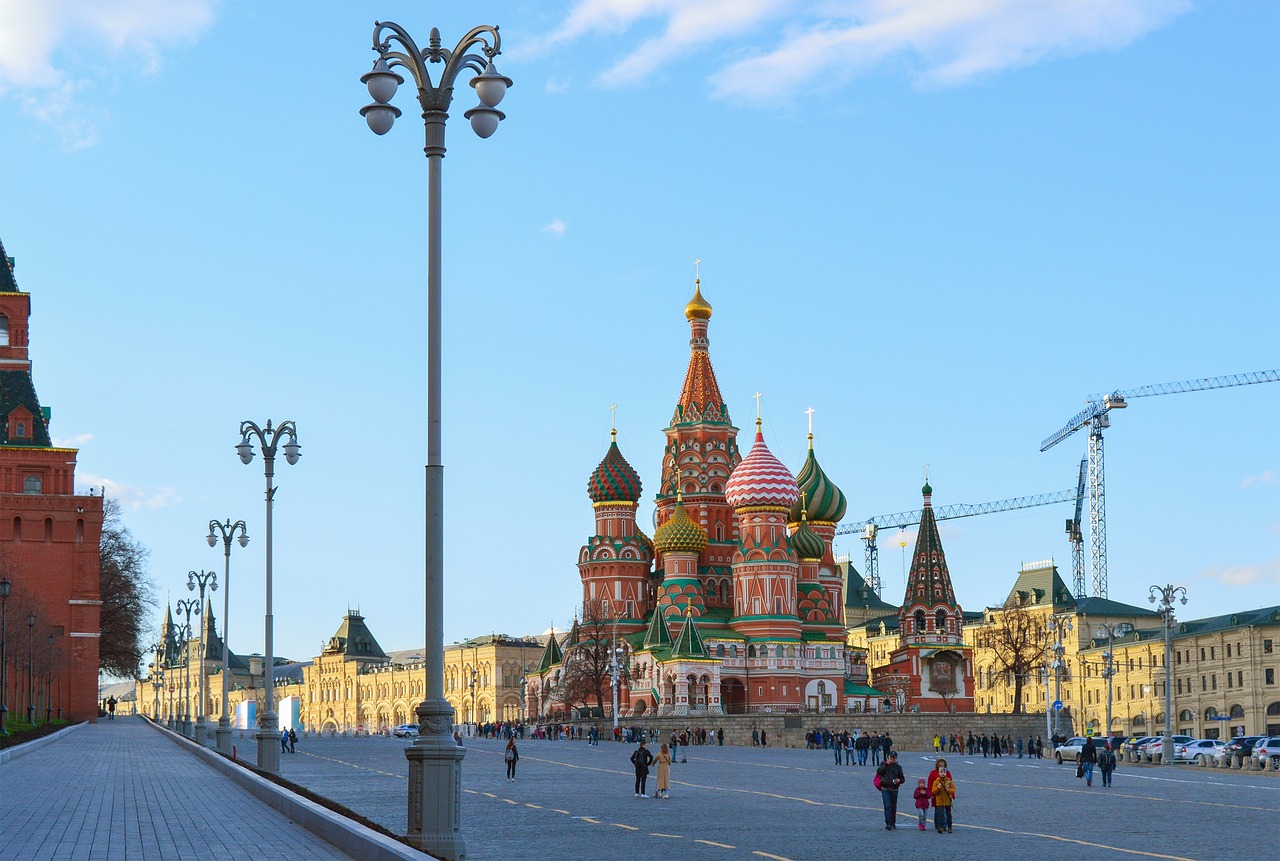
Il 31 gennaio 2024 il Consiglio federale ha adottato ulteriori misure contro la Russia, attuando di fatto il 12° pacchetto di sanzioni dell’Unione europea.
Le nuove disposizioni prevedono, tra le altre, un divieto graduale di acquisto e di importazione di diamanti russi, ulteriori misure a sostegno dell’applicazione dei limiti massimi di prezzo per il petrolio greggio e i prodotti petroliferi russi (oil price cap) e per contrastare la loro elusione, obblighi di notifica e di autorizzazione per la vendita di navi cisterna che possono essere utilizzate per aggirare i massimali di prezzo.
Dal 20 marzo 2024, per gli esportatori vigerà l’obbligo di vietare contrattualmente ai loro partner stabiliti al di fuori dello SEE o di un Paese partner (Australia, Canada, Corea del Sud, Giappone, Norvegia, Nuova Zelanda, Regno Unito e Stati Uniti) la riesportazione dei beni elencati negli allegati 3 e 19 dell’Ordinanza che istituisce provvedimenti in relazione alla situazione in Ucraina e di beni ad alta priorità elencati nell’allegato 31 verso la Russia o per l’uso in Russia. Devono essere altresì previste contrattualmente misure correttive adeguate per i casi di violazioni. Tali violazioni devono essere notificate immediatamente alla SECO. L’obbligo non si applica agli affari concordati contrattualmente prima del 1° febbraio 2024 ed eseguiti entro il 20 dicembre 2024 o i cui contratti sono scaduti, a seconda dell’evento che si verifica per primo.
L’Ordinanza che istituisce provvedimenti in relazione alla situazione in Ucraina aggiornata al 1° febbraio 2024 può essere consultata qui.
La SECO ha aggiornato anche il suo documento interpretativo delle sanzioni con particolare riferimento (ma non limitatamente) a:
rispetto dell’art. 12b cpv 4 lett. b e cpv. 5 (petrolio greggio e prodotti petroliferi): la SECO fa riferimento alle FAQ della Commissione UE sull’attuazione dei regolamenti del Consiglio dell’UE 269/2014 e 833/2014, in particolare alle spiegazioni contenute nel capitolo E “Energy”, punto 5 “Oil Price Cap”, sezione 7 “Attestations, recordkeeping and itemised ancillary costs”. Queste spiegazioni indicano quali informazioni e documenti sono adatti per le prove corrispondenti;
prova attestante il Paese di origine terza dei beni siderurgici di cui all’allegato 17 impiegati come fattori produttivi (art. 14a): dal 1° marzo 2024, tale prova va indicata come documento (codice documento Y824) nella rubrica “Documenti” della dichiarazione doganale. Il documento deve essere presentato su richiesta all’Ufficio federale della dogana e della sicurezza dei confini (UDSC) insieme agli altri documenti doganali di accompagnamento.
Il documento interpretativo della SECO (FAQ) può essere consultato qui.
https://www.lcta.ch/site/wp-content/uploads/2024/02/Moscow_EU_sanctions_Package.jpg8451280LCTA Editorhttps://www.lcta.ch/site/wp-content/uploads/2024/05/LCTA-Logo-2024-r02-01.pngLCTA Editor2024-02-05 10:59:522024-02-05 11:01:31La Svizzera attua il 12° pacchetto di sanzioni UE
Il Regno Unito introdurrà un proprio meccanismo di adeguamento del carbonio alle frontiere (CBAM) entro il 2027.
Lo ha annunciato il Cancelliere dello Scacchiere britannico Jeremy Hunt lo scorso 18 dicembre 2023 in un comunicato stampa, confermando che saranno colpiti ferro, acciaio, alluminio, fertilizzanti, idrogeno, ceramica, vetro e cemento, la cui produzione è particolarmente energivora, se importati da Paesi terzi. Ulteriori dettagli, tra cui l’elenco preciso dei prodotti che rientreranno nel campo di applicazione del CBAM saranno oggetto di consultazione nel 2024. Si delinea tuttavia già un ambito di applicazione più ampio rispetto all’omologo europeo.
La responsabilità applicata dal CBAM dipenderà dall’intensità delle emissioni di gas serra del bene importato e dalla differenza tra il prezzo del carbonio applicato nel Paese di origine (se presente) e il prezzo del carbonio che sarebbe stato applicato se il bene fosse stato prodotto nel Regno Unito.
La responsabilità del CBAM ricadrà direttamente sull’importatore dei prodotti importati che rientreranno nel campo di applicazione del CBAM, sulla base delle emissioni incorporate in tali prodotti. Il sistema non prevede l’acquisto o lo scambio di certificati di emissione, per contro lavorerà in modo coerente con il sistema ETS britannico per garantire che i prodotti importati siano assoggettati a un prezzo del carbonio paragonabile a quello sostenuto dalla produzione britannica, attenuando così il rischio di rilocalizzazione delle emissioni di carbonio.
Questo articolo è stato originariamente pubblicato su www.cc-ti.ch il 18.01.2024
https://www.lcta.ch/site/wp-content/uploads/2024/01/grid-826831_1280.jpg8531280LCTA Editorhttps://www.lcta.ch/site/wp-content/uploads/2024/05/LCTA-Logo-2024-r02-01.pngLCTA Editor2024-01-26 15:38:092024-01-26 15:40:06Regno Unito: CBAM in arrivo
At the Ordinary General Meeting held on December 20, 2023, the LCTA Executive Board proposed Simone Knobloch, COO of Valcambi SA, Alessandro Odoni, Finance Director of Flame SA and Marco Passalia, Partner of Enet Energy SA be elected as new Executive Board Members. Monica Zurfluh, who officially took office beginning of November, was introduced as new Secretary General.
The Ordinary General Meeting held in December 2023 elected new Board members in accordance with the Executive Board’s proposal: Simone Knobloch, COO of Valcambi and Alessandro Odoni, Finance Director of Flame SA.
Michael Mesaric, CEO of Valcambi SA, and Riccardo Talenti, Charter & Operations Manager at Flame SA had previously announced decision to resign from the Executive Board in connection with the General Meeting. Both had been active members of the Executive Board since LCTA’s formation, and the Executive Board recognized them for their contributions to shaping the Association and supporting its interests.
Marco Passalia, Partner of Enet Energy SA, opted to step down as Secretary General and relinquish operational responsibilities. Recognizing Marco Passalia’s critical role as co-initiator and engine of the Association, the Executive Board proposed he join the Board as 14th member in derogation from the statutes (the temporary increase in the number of Board Members will be reduced again to 13 during 2024 following the complete integration of Credit Suisse into UBS).
Marco Passalia received special distinction for his achievements since the Associations’ inception in 2010. His lobbying activities at the cantonal and federal levels as well as the organization of several international events and conferences have been critical to the Ticino hub’s positioning and consolidation as Switzerland’s third-largest commodity trading center after Geneva and Zurich, while the launch of both the CAS in Commodity Professional in collaboration with the Zug Commodity Association (ZCA) and the Hochschule Luzern, and the most recent Certified Commodity Trading Specialist training in collaboration with Alma Impact as well as numerous short-term courses contributed to the members’ skills and knowledge, ultimately attracting and retaining talents.
The General Meeting welcomed Monica Zurfluh, Head of International Trade of the Ticino Chamber of Commerce and Industry (Cc-Ti), as the new Secretary General of LCTA. Monica Zurfluh officially took up her new function on November 1st, 2023.
As of the end of 2023, LCTA counted 48 active members.
https://www.lcta.ch/site/wp-content/uploads/2024/01/OGM2023_Immagine_ead91f57.jpg12001600LCTA Editorhttps://www.lcta.ch/site/wp-content/uploads/2024/05/LCTA-Logo-2024-r02-01.pngLCTA Editor2024-01-11 10:07:582024-01-12 15:04:17LCTA elects new Executive Board Members and introduces the new Secretary General
Il Segretariato della LCTA si è trasferito presso una nuova sede. Vi preghiamo di aggiornare i vostri archivi e di utilizzare il nostro nuovo indirizzo per tutta la corrispondenza futura.
Lugano Commodity Trading Association (LCTA)
c/o Fidinam SA Secretariat Via Maggio 1 6900 Lugano Switzerland
On Friday November 24, 2023, at the Hotel Splendide Royal in Lugano, the Lugano Commodity Trading Association and Alma Impact AG held an event to discuss sustainability as a critical issue to the future of the Commodity Trading Sector. More precisely, to discuss the opportunities and the challenges that will arise in the coming years and the foreseeable impact on the demand and the operations, in the light of the “Carbon Border Adjustment Mechanism” law, a tax on imported carbon intensive products (cement, iron, steel, aluminium, fertilisers, electricity and hydrogen) recently introduced by European Union to avoid carbon leakage.
A heartfelt thanks goes to the speakers: Dominique Bruggmann from E&Y, Rumi Jahani from CarbonChain, and Simone Knobloch from Valcambi and to the moderator of the roundtable, the journalist Dimitri Loringett. This conference was also the last module of the ‘Certified Commodity Trading Specialist’ course recognized by the SAQ Swiss Association for Quality.
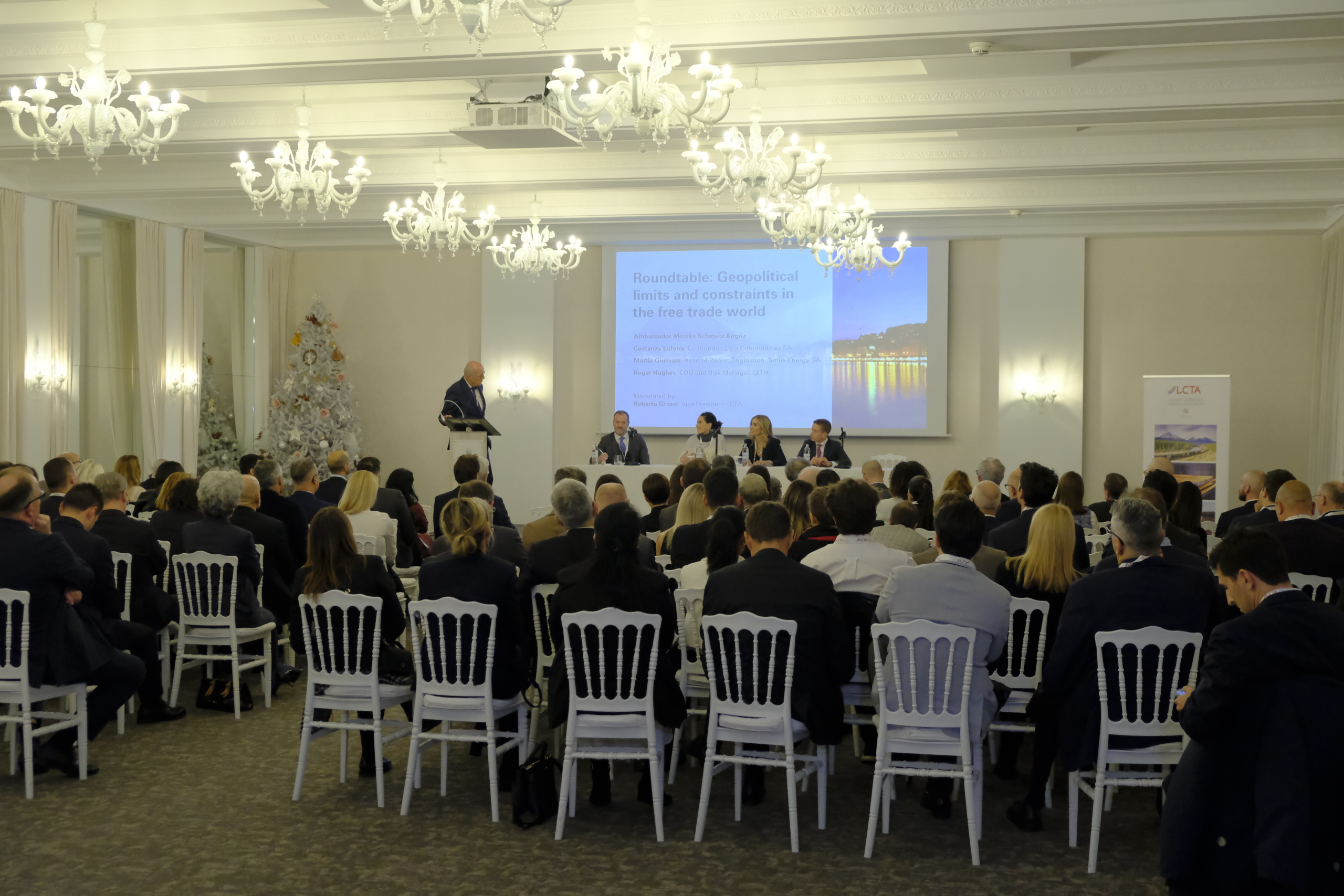
The Commodity roundtable, organized by the Lugano Commodity Trading Association, took place on June 20, 2023. The event aimed to bring together professionals and experts in the commodity trading industry to discuss key trends, challenges, and opportunities in the market. The roundtable was followed by a networking apero, providing participants with an opportunity to connect and build relationships within the industry.
The Commodity Roundtable organised by the LCTA was attended by some 100 people at the magnificent Centro Studi Villa Negroni in Vezia/Lugano. The event witnessed a significant turnout, with a diverse mix of attendees including traders, brokers, analysts, industry experts, and representatives from various companies involved in commodity trading. It was an opportunity to take stock of the situation in different areas of commodity trading in Lugano thanks to the contribution of the various speakers Urbano Clerici (CEO, Coeclerici Compagnie SA), Renato Ginesi (CEO, GTrade System Suisse SA), Alberto Salsiccia (CFO, Petraco SA) and Norbert Stadler (CEO, DSS International SA). The panel discussion was masterfully coordinated by Roberto Grassi (CEO, Fidinam Group Holding SA).
The roundtable focused the attention on market trends and outlook. The roundtable discussion began with an analysis of current market trends in commodity trading. Spearkers shared insights on global supply and demand dynamics, price volatility, emerging markets, and regulatory changes affecting the industry. The discussions provided a comprehensive overview of the current state of commodity trading and potential future developments.
It was also a great opportunity to launch the new training programme organised by LCTA in cooperation with Alma Impact. The course called CERTIFIED COMMODITY TRADING SPECIALIST.
Following the roundtable discussion, participants had the opportunity to engage in a networking apero. The informal setting allowed attendees to connect, share experiences, and forge new business relationships. The networking session facilitated productive conversations and the exchange of contact information, fostering future collaborations and partnerships within the commodity trading community.
The first, entitled “Shipping and Logistic: Are we still sailing stormy waters?”; the moderator Michel’Angelo Piccinini (President, Propeller Club Port of Lugano) focused attention on the current dynamics of shipping after the difficult years of the pandemic, which have led to a limited supply of ships, an excessive increase in maritime freight rates, reduced activity of shipyards, and in general management difficulties related to covid19.
https://www.lcta.ch/site/wp-content/uploads/2023/06/Foto-7.jpg12001600LCTA Editorhttps://www.lcta.ch/site/wp-content/uploads/2024/05/LCTA-Logo-2024-r02-01.pngLCTA Editor2023-06-22 10:15:172023-06-22 10:15:19COMMODITY ROUNDTABLE, JUNE 20, 2023
On 23-24 June 2022, after the forced hiatus due to the pandemic, the Global Commodities Conference 2022 took place at the LAC in Lugano (Lugano Arte e Cultura). This is an international event organised by the Lugano Commodity Trading Association (LCTA) and supported by the following sponsors: Allianz, Banca Stato, Chamber of Commerce of the Canton of Ticino, Coeclerici, EY, Flame, HFW, Propeller Club – Port of Lugano, Swiss Trading and Shipping Association (STSA), Ticino Welcome and Zug Commodities Association (ZCA).
The event, which was attended by more than 250 guests, confirmed itself as one of the leading industry meetings with the participation of international trade experts, commodity traders, banking institutions and various other service providers. It is important to note that due to the pandemic, it was decided to invite above all local speakers with ties to Swiss trading hubs.
At the opening evening on 23 June, LCTA Vice President Roberto Grassi interviewed the well-known journalist Antonio Caprarica. With a speech entitled ‘Commodity Trading – the challenging geopolitical landscape’, the special guest stimulated the audience’s interest by referring to his diverse and enriching experiences in journalism in various parts of the world.
On 24 June, on the other hand, the day was opened by Matthew Bryza, US Ambassador, who gave his views on the current geopolitical situation with a focus on the conflict in Ukraine.
The day was then divided into three parts.
The first, entitled “Shipping and Logistic: Are we still sailing stormy waters?”; the moderator Michel’Angelo Piccinini (President, Propeller Club Port of Lugano) focused attention on the current dynamics of shipping after the difficult years of the pandemic, which have led to a limited supply of ships, an excessive increase in maritime freight rates, reduced activity of shipyards, and in general management difficulties related to covid19.
Gemma Carbone, Business Development Executive, Ifchor
Andrea Organista D’Amato, Principal & Chartering Manager, Armator Shipping
In the second, ‘Compliance and sustainability in war and resource shortage times’, the focus was on the current geopolitical situation in order to understand the functioning of various trading and financial activities in this complex and volatile environment characterised by international sanctions.
Speakers included:
Sarah Hunt, Partner, HFW
Taylor Konkin, Head of Commodity Trading Audit EY Geneva
Deia Markova, Head of Trade Commodity Finance, SGCIB
Thomas Patrick, CFO, DITH.
This panel was moderated by Pietro Poretti, Director Economic Development Division, City of Lugano, who captured the most relevant and interesting aspects.
Finally, with the third panel, entitled ‘Commodities shortage and global economy’, the conference took a more global slant on the supply of raw materials.
Speakers included:
Marco Arrighini, Head of Southern Region, Allianz Trade Switzerland
Matija Barudzija, CEO, ENET Energy SA
Marco Galimberti, CEO, DP Trade SA
James May, Director Strategy, DITH
The panel was expertly moderated by Florence Schurch, Secretary General, STSA
With around 250 participants over the two days and with several outstanding speakers and moderators, the event was stimulating and offered participants excellent opportunities to exchange, compare and network expertise.
Given the appreciation of GCC 2022, the organisers are already thinking about the next edition.
Cliccando il pulsante «Accetta», acconsentite all’utilizzo di tutti i nostri cookie così come quelli dei nostri partner. Utilizziamo i cookie per raccogliere informazioni sulle visite al nostro sito web, con lo scopo di migliorare continuamente le prestazioni del nostro sito e fornire servizi di integrazione video, caratteri tipografici ed altri servizi. Per maggiori informazioni potete consultare la nostra informativa sulla privacy .
Quando visitate un sito web, questo può memorizzare o recuperare informazioni attraverso il vostro browser, di solito sotto forma di cookie. Poiché rispettiamo il vostro diritto alla privacy, potete scegliere di non consentire la raccolta di dati da alcuni tipi di servizi. Tuttavia, il mancato consenso a tali servizi potrebbe influire sull'esperienza dell'utente.
Questi cookie sono strettamente necessari per fornirti i servizi disponibili attraverso il nostro sito web e per utilizzare alcune delle sue funzionalità.
Poiché questi cookie sono strettamente necessari per la fruizione del sito web, non è possibile rifiutarli senza influire sul funzionamento del nostro sito. È possibile bloccarli o eliminarli modificando le impostazioni del browser e imporre il blocco di tutti i cookie su questo sito web.
Cookie di Google Analytics
Questi cookie raccolgono informazioni che vengono utilizzate sia per aiutarci a capire come viene utilizzato il nostro sito web o quanto sono efficaci le nostre campagne di marketing, o per aiutarci a personalizzare il nostro sito web e l'applicazione per voi al fine di migliorare la vostra esperienza.
Se non vuoi che tracciamo la tua visita al nostro sito puoi disabilitare il tracciamento nel tuo browser qui:
Google Fonts
Utilizziamo Google fonts per i caratteri tipografici nel sito.
Impostazioni per Google Webfont:
Video
Utilizziamo cookies di YouTube e/o Vimeo per l'integrazione di video esterni nel nostro sito.