Commodities in a Fragmented World: Insights from the LCTA 2025 Roundtable in Lugano
In a year marked by geopolitical fragmentation, regulatory overload and shifting power in the midstream of global supply chains, the LCTA Annual General Meeting and Commodity Roundtable in Lugano offered an unvarnished look at the forces reshaping the trading world
Industry leaders dissected a global economy at peak interdependence yet rising vulnerability, warned of Europe’s self-inflicted competitiveness trap, and underscored how processing capacity—not the availability of raw materials—has become the real geopolitical lever. From Switzerland’s evolving role as a stability hub to the slow march of digitalization and the enduring dominance of the dollar, the roundtable captured a sector navigating (little) volatility and slow pace not as a disruption, but as its new operating rhythm.
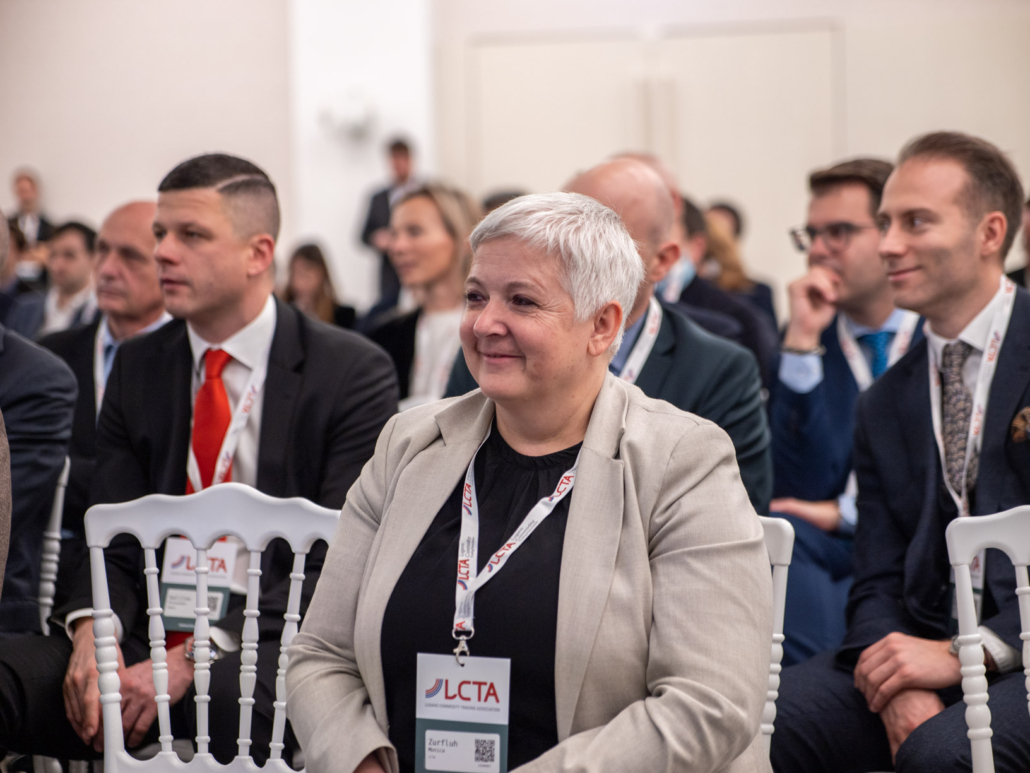
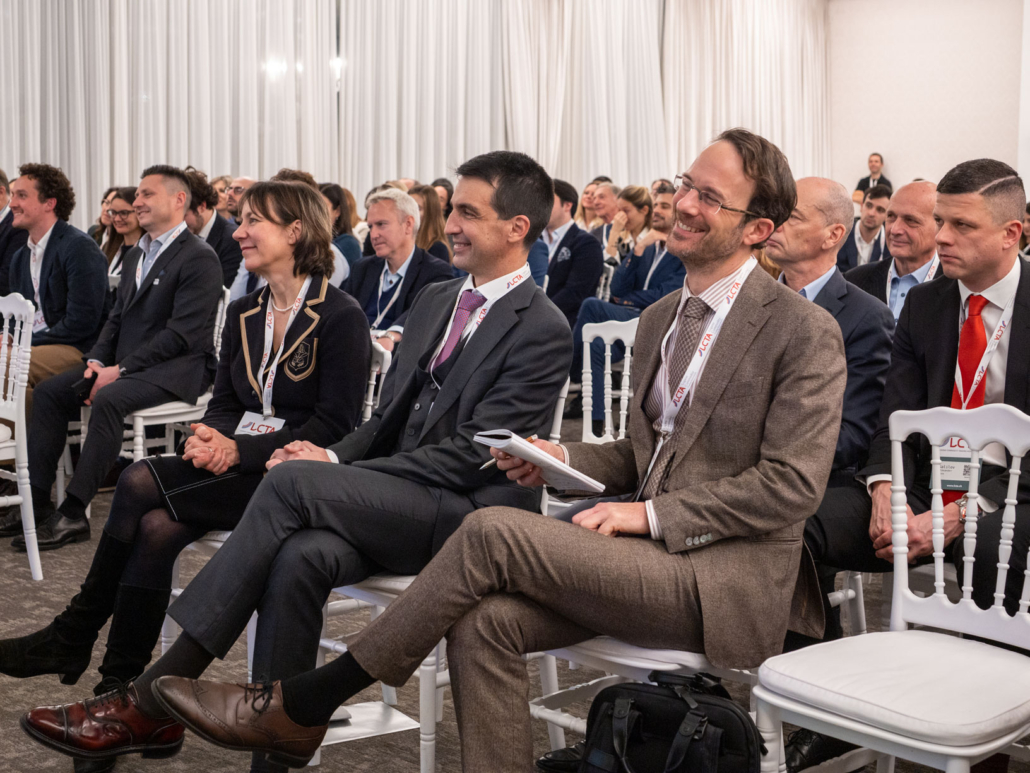
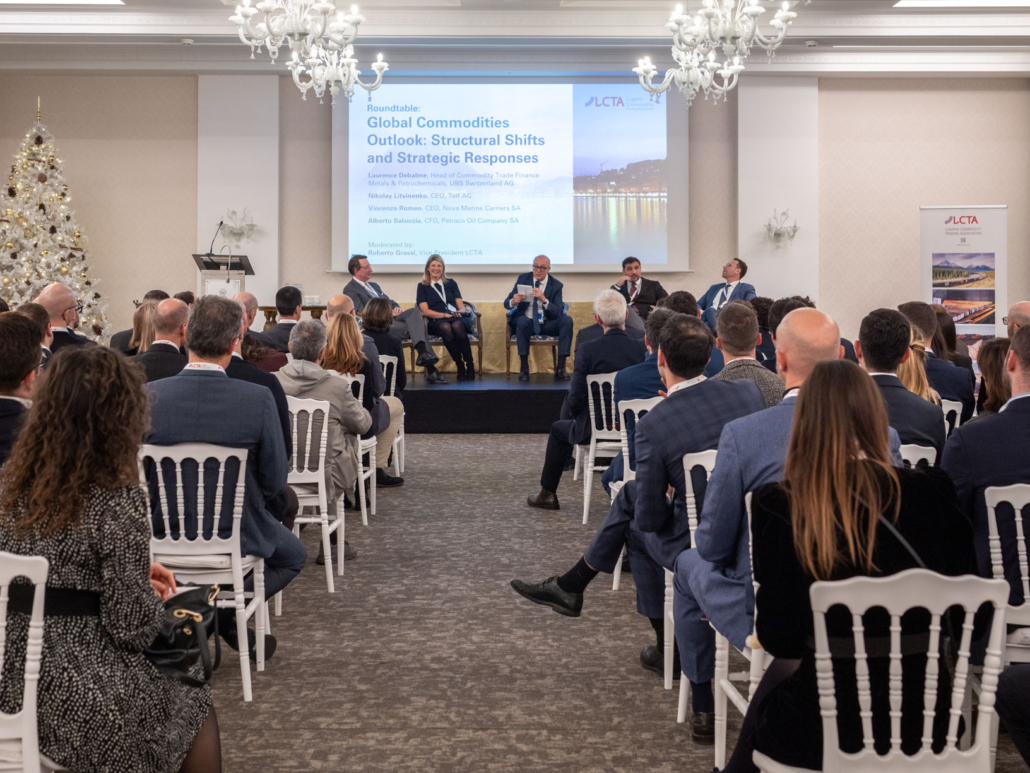
After a closed-door Annual General Meeting – during which the Executive Board of LCTA was strengthened with the approval by the Assembly of the addition of Laurence Debalme, Head of Commodity Trade Finance Metals & Petrochemicals, UBS Switzerland AG, as the new representative of the Bank, the entire slate was confirmed, and members received the results of the internal survey conducted in September-October 2025 – the LCTA Commodity Roundtable held on December 3, 2025 at the Hotel Splendide Royal in Lugano opened with a markedly reflective and strategic tone. Bringing together 130 participants, the event blended candid operational insights with high-level geopolitical analysis, underscoring the increasingly complex terrain in which commodity traders operate today.
What followed was not a conventional industry conference but a conversation among practitioners who sit at the intersection of markets, geopolitics and regulation. The central message emerging from the roundtable was that the global economy stands at an inflection point.
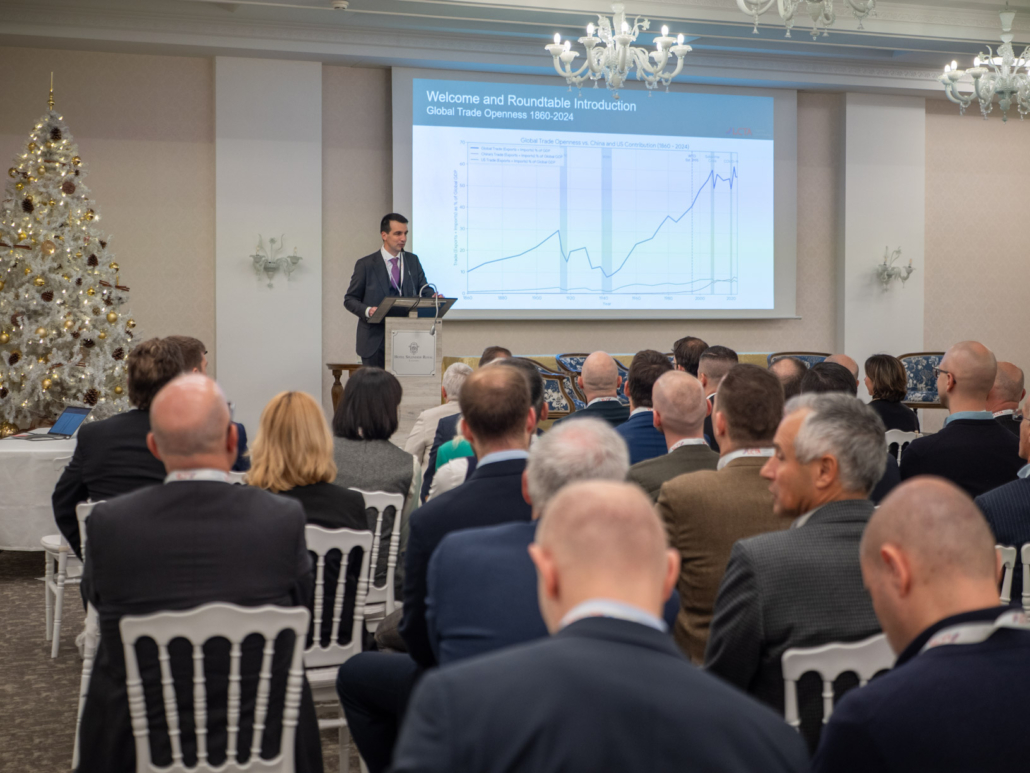
With trade openness hovering near 60% of world GDP, in his welcome speech LCTA President Matteo Somaini debated whether this represents the peak of global interdependence or a fragile equilibrium vulnerable to geopolitical shocks. In this environment, commodity traders are no longer neutral intermediaries; they have become active navigators of sanctions, regulatory asymmetries, supply chain disruptions, and rapidly shifting political alliances.
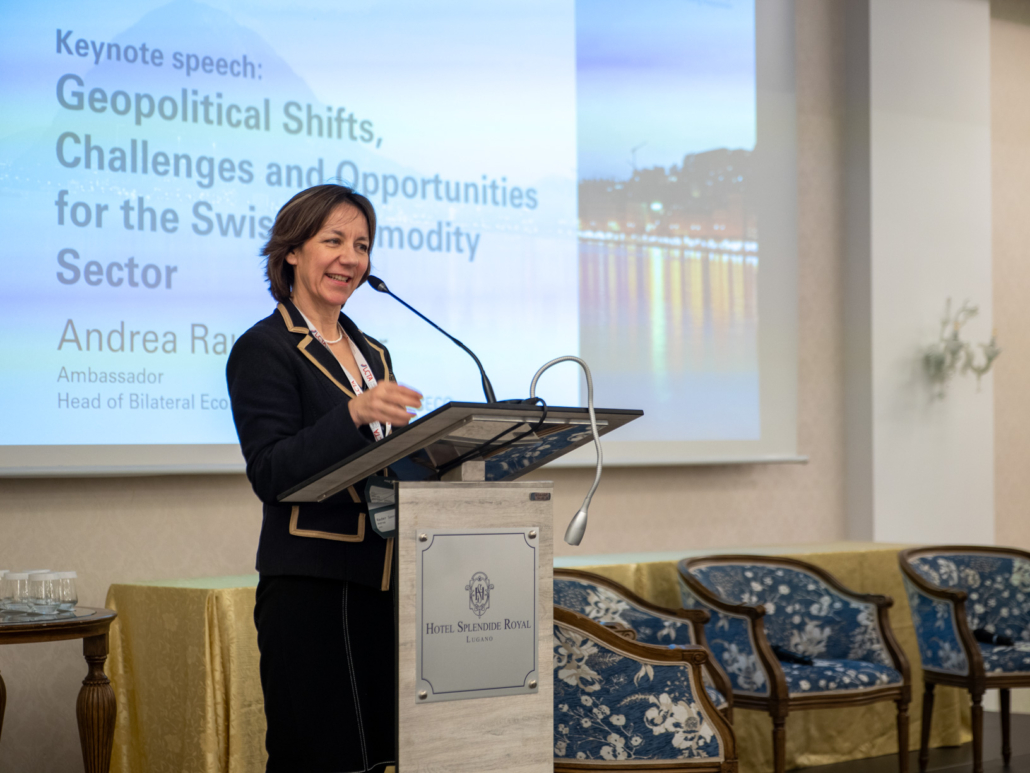
Switzerland’s role was examined with notable clarity. Ambassador Andrea Rauber Saxer, Head of Bilateral Economic Relations Division at SECO and leader of the SECO Commodities Network, underlined that although the WTO still governs most global trade, its inability to adapt has pushed countries toward bilateral and plurilateral solutions. For a nation like Switzerland – long reliant on universal rules – this fragmentation is far from ideal, especially as the strategic rivalry between the United States and China reshapes global markets and turns critical minerals into instruments of geopolitical leverage. Traders, she noted, increasingly find themselves “in the middle of this great game”. In response, Switzerland has deepened and diversified its partnerships: updating its core bilateral agreements with the European Union and expanding its network to partners such as India, Thailand and Mercosur. In a world marked by volatility and widening geopolitical divides, Swiss neutrality, legal consistency and institutional reliability now serve as essential geopolitical insurance for globally integrated industries and commodity operators.
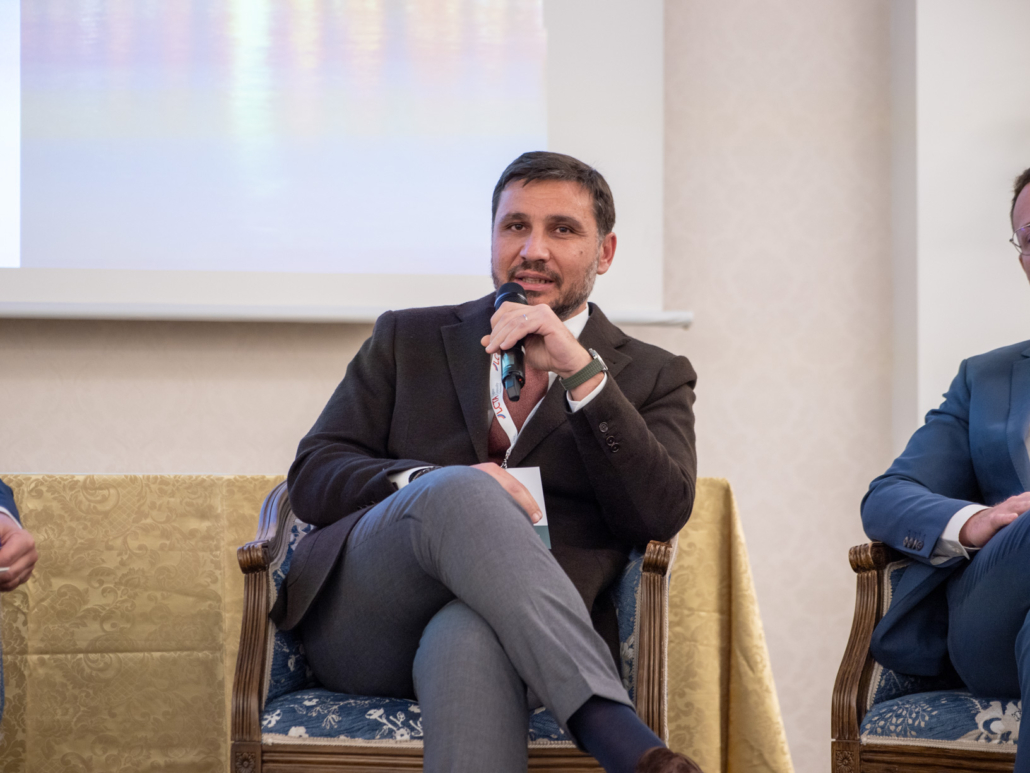
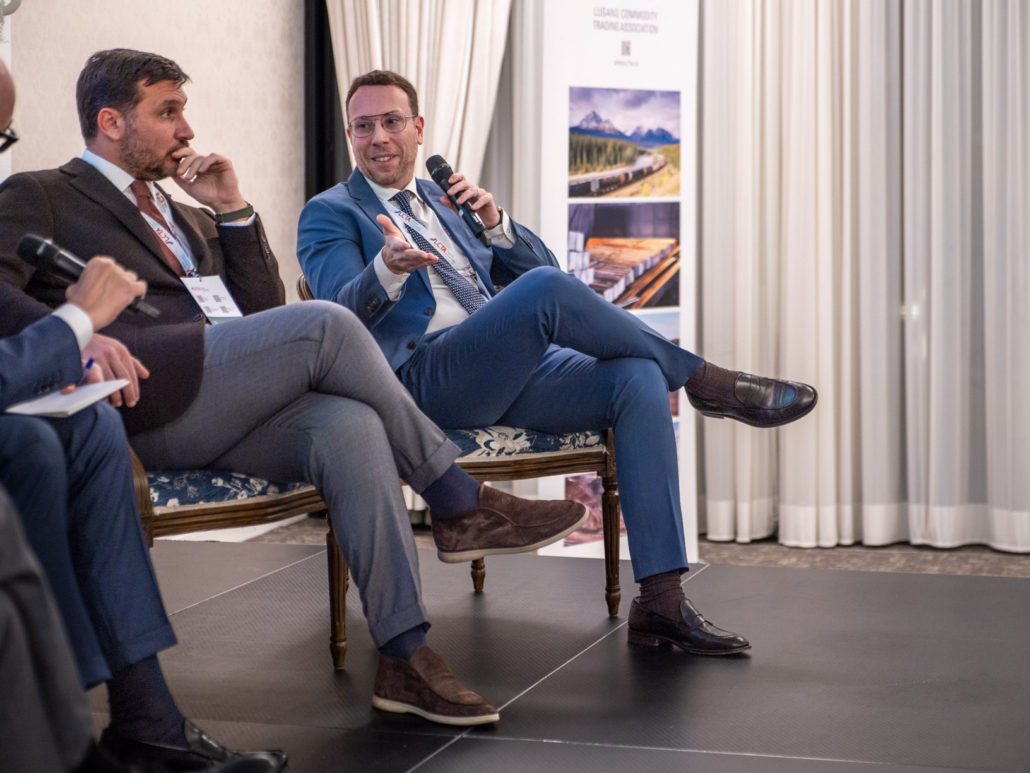
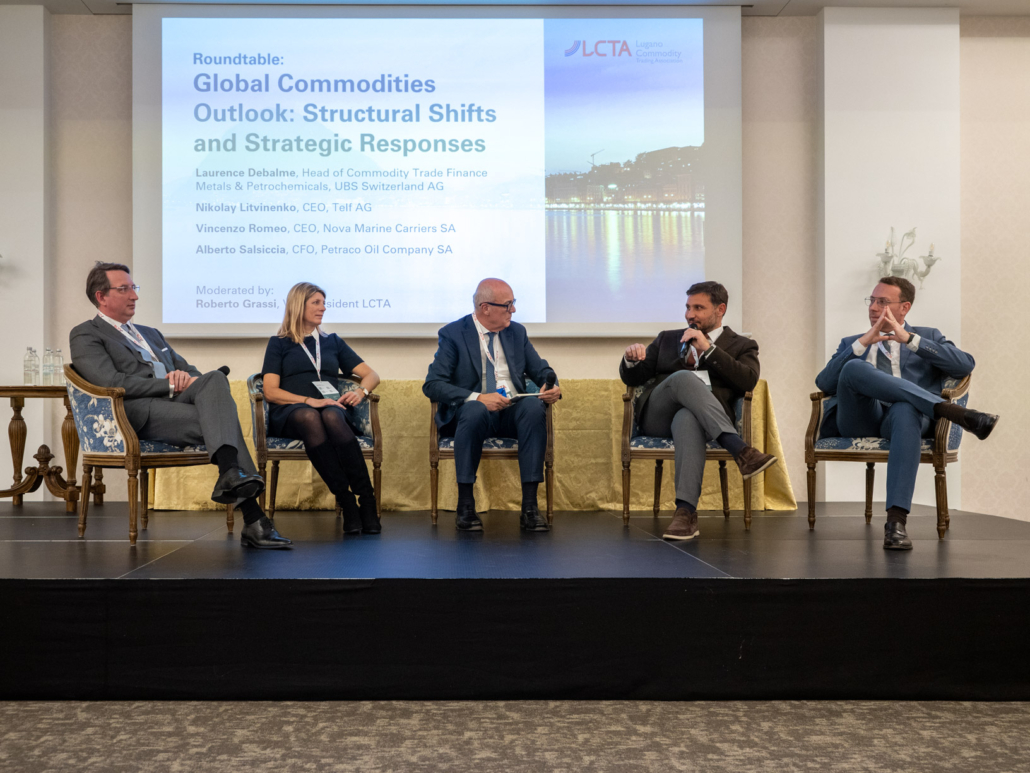
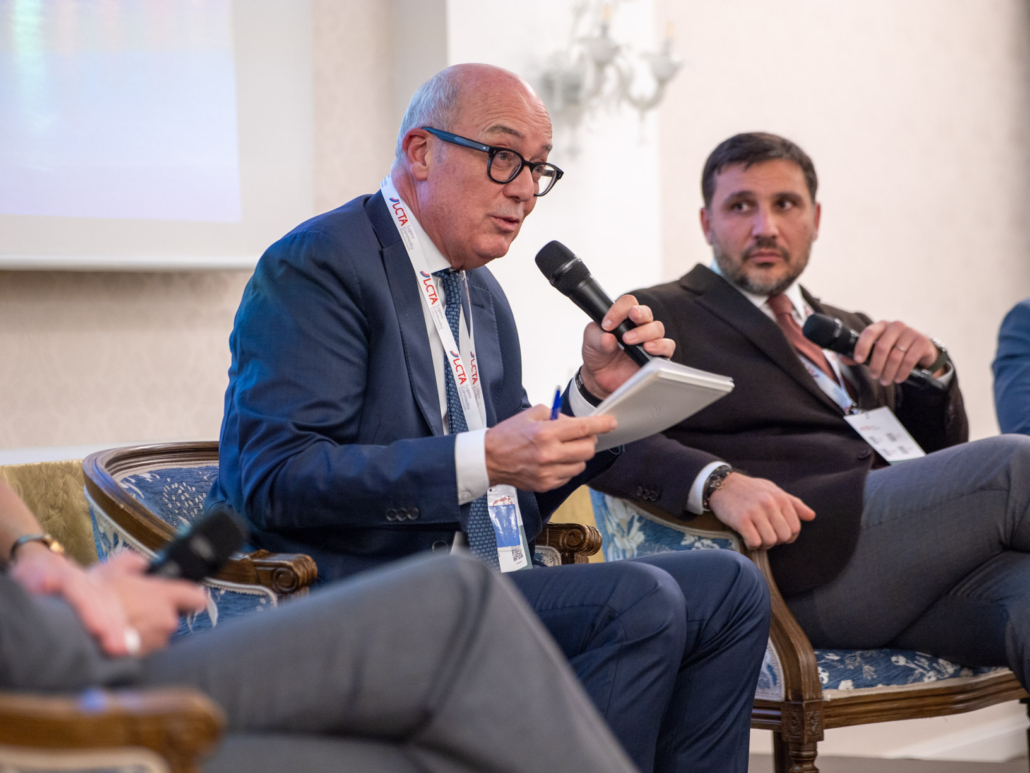
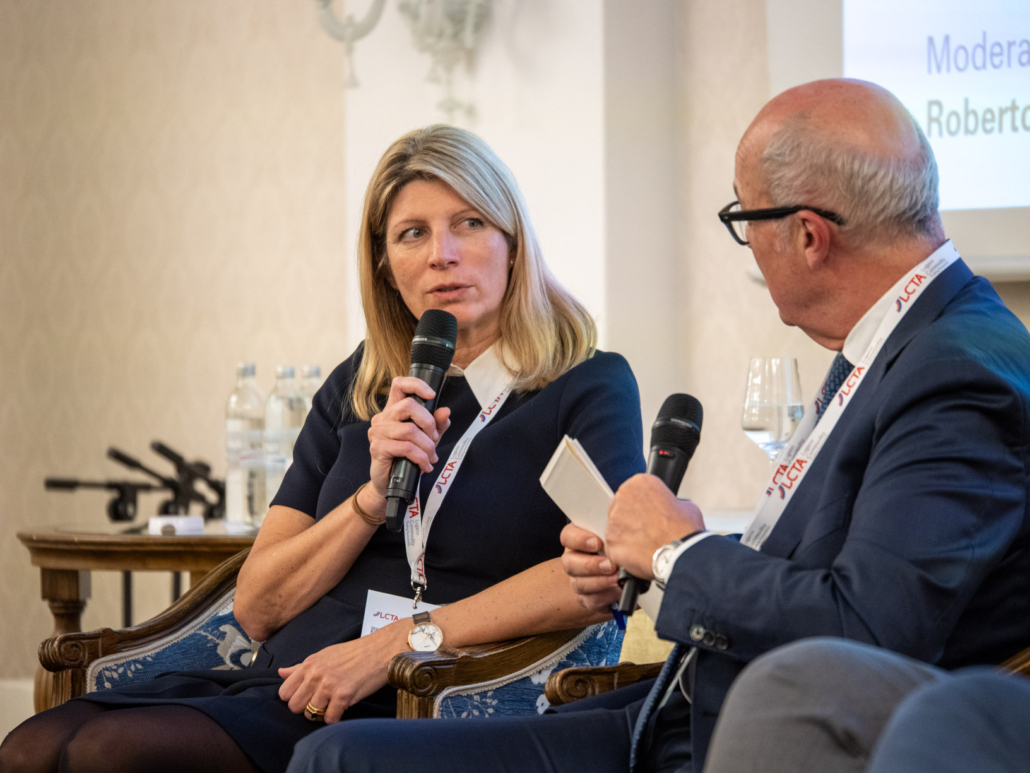
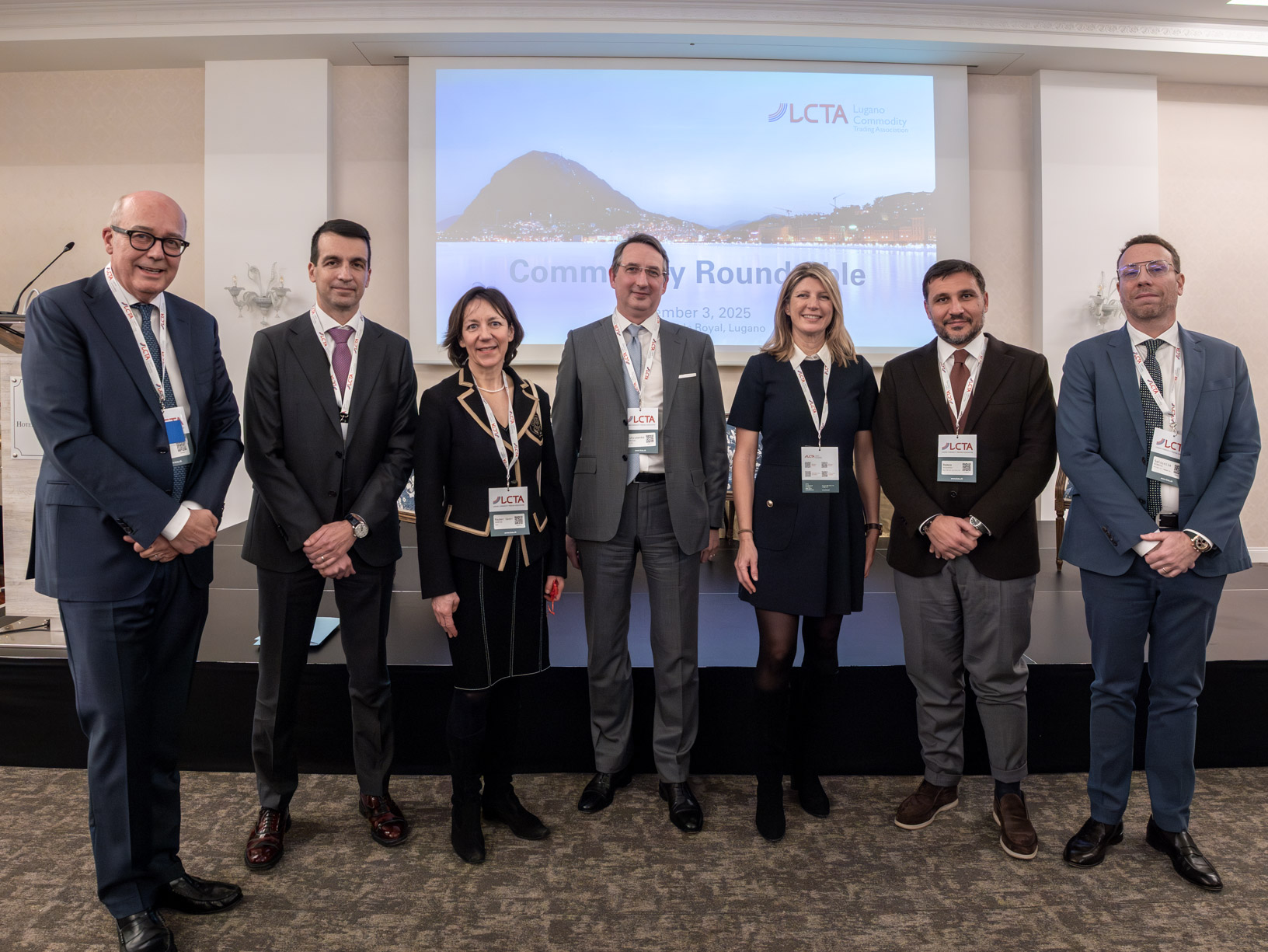
The reconfiguration of commodities flows formed the core of the debate taking place afterwards. Moderated by LCTA Vice President Roberto Grassi, the panel of speakers composed by Laurence Debalme (UBS Switzerland AG), Nikolay Litvinenko (Telf AG), Vincenzo Romeo (Nova Marine Carriers SA), Alberto Salsiccia (Petraco Oil Company SA), observed that global trade behaves like water: it always finds a way around obstacles. The loss of Ukrainian grain exports, for instance, did not halt global grain markets; it redirected supply to alternative producers, albeit at the cost of extended routes, higher freight rates and persistent volatility. For governments and consumers, these disruptions are destabilizing. For traders, however, volatility offers opportunity.
European competitiveness and the burden of unilateral regulation provoked particularly frank discussions. Panelists expressed concerns at the growing regulatory asymmetry between Europe and the rest of the world. Carbon pricing mechanisms, sustainability mandates and sector-specific requirements may reflect Europe’s political ambition, but they impose costs not borne by overseas competitors. These dynamic risks accelerating the deindustrialization of the continent without achieving meaningful reductions in global emissions. Speakers underscored that climate policy must be internationally coordinated to be effective; otherwise, Europe risks “solving” the emissions problem by exporting both production and pollution.
A particularly sharp analysis focused on the midstream segment of commodity supply chains. It is not access to raw materials that determines global leverage, but control over processing capacity. As examples, Cobalt mined in the Congo or copper extracted in Chile can be purchased on the open market, but the real strategic bottleneck lies in refining, smelting and chemical conversion. Unlike certain countries, Europe is missing midstream industrial capacity and this is where investment needs to be deployed. The consequence is clear: geopolitical influence in the commodity sector flows through processing plants, not mine’s shafts. Panelists argued that the next decade of industrial policy should focus less on extracting new resources and more on reclaiming the processing and conversion capabilities that underpin technological industries.
On currency dynamics, there was consensus that discussions around the decline of the US dollar remain largely theoretical. While sanctions and specific bilateral arrangements have led to increased use of alternative currencies such as the yuan or the dirham on certain routes, these shifts are tactical rather than structural. The dollar continues to anchor commodity pricing, financial markets and risk management frameworks. Moreover, a weaker dollar often benefits traders by supporting higher commodity prices, which translate into stronger revenues. The room agreed: there is currently no viable geopolitical or financial alternative to the US dollar.
Technology offered a contrasting picture of dynamism and inertia. Artificial intelligence is advancing rapidly in practical applications such as predictive maintenance for vessels, anomaly detection in risk models and the automation of reconciliation workflows. Yet the broader digitalization of trade remains stalled. Electronic bills of lading represent only a tiny fraction of global shipments. Banks, insurers and customs authorities continue to trust paper documentation because no unified legal and technological standard exists. The commodity sector, despite its scale and sophistication, still relies heavily on analog systems that have changed little in decades.
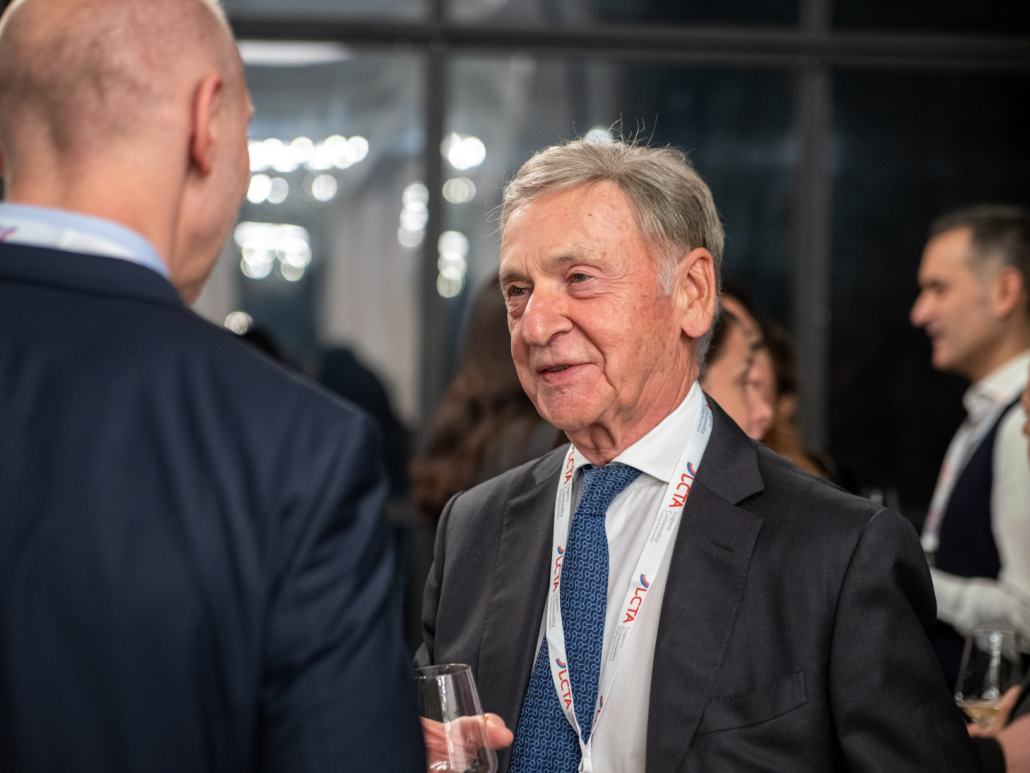
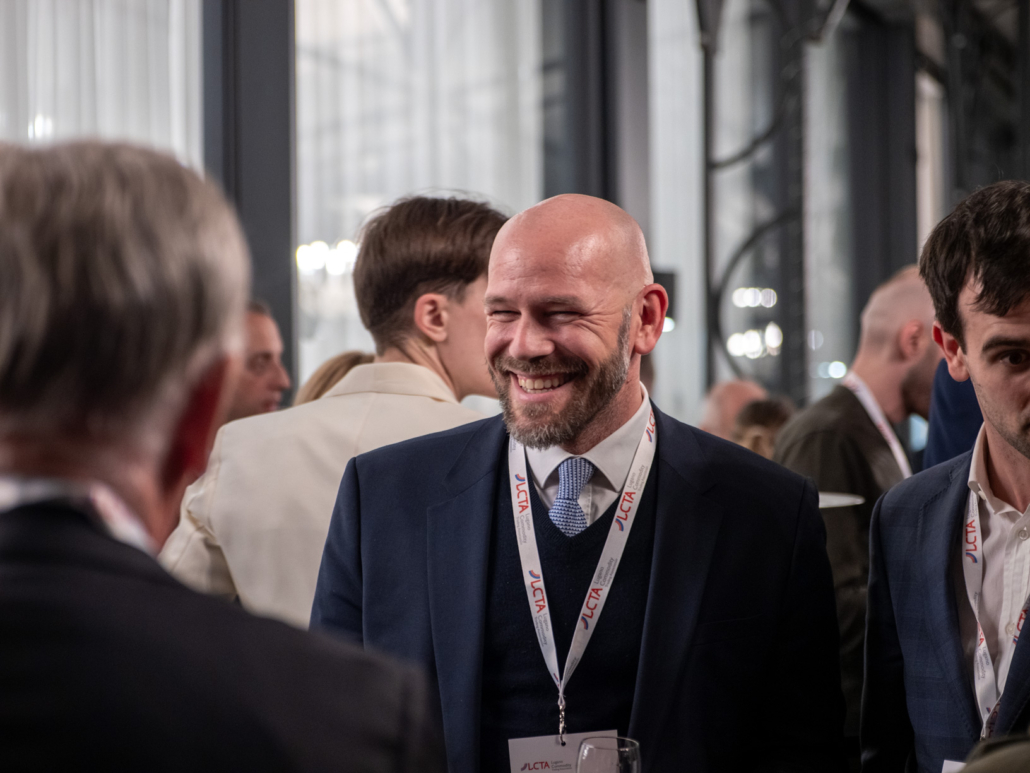
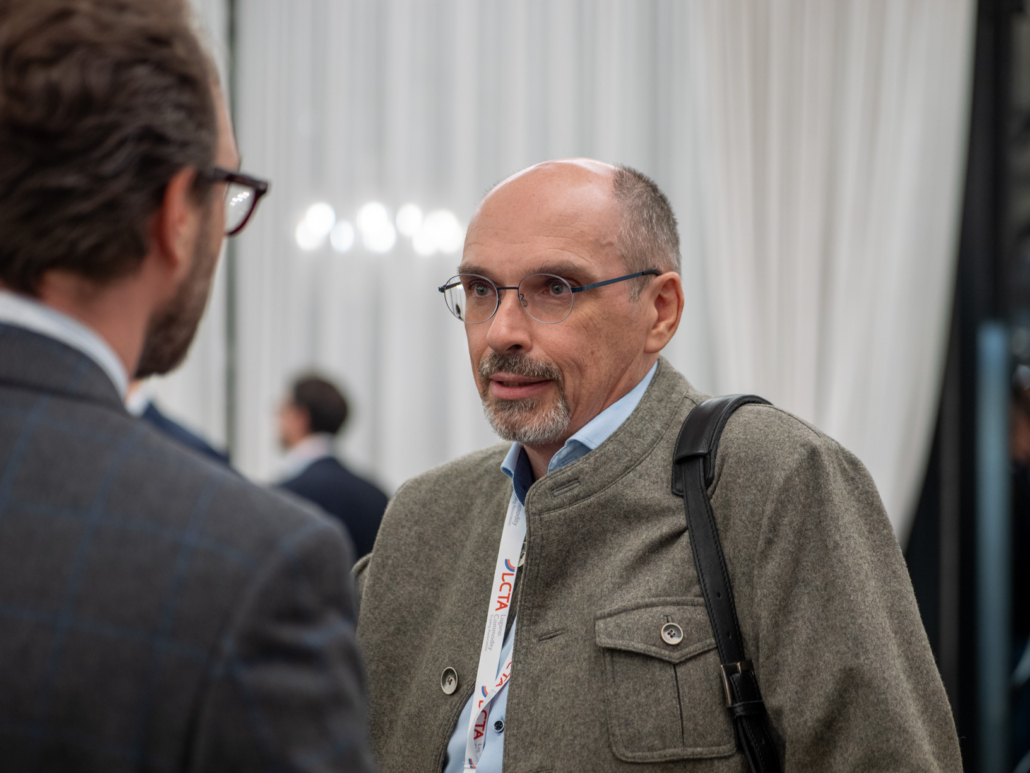
Beyond the structured agenda, the interpersonal dimension of the roundtable was notable. In front of the 130 attendees representing diverse segments of the commodity ecosystem, the discussions were candid and often personal. Panelists exchanged not only data and forecasts but also maxims, professional lessons and reflections on crisis management. A recurring theme was the importance of relationships. In the words repeated throughout the event, in times of crisis, one must already know the people capable of solving it.
The Lugano roundtable ended with a sober assessment of the world as it is becoming. Commodity markets are entering an era defined by fragmentation rather than integration, by volatility rather than stability, and by processing capacity rather than raw extraction. Switzerland’s role as a neutral, predictable and sophisticated hub appears more valuable than ever. For the companies represented at the roundtable, the challenge is not to rebuild the world of yesterday but to adapt to a new system where geopolitical shifts, regulatory divergence and technological change are the defining economic forces of the decade ahead.
Photogallery